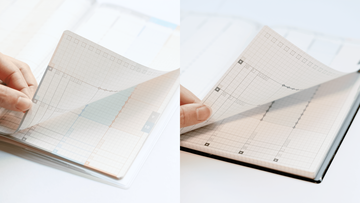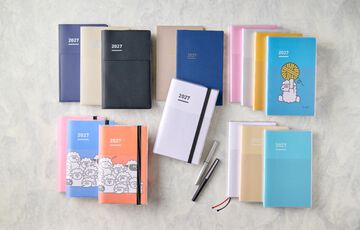

Heard of bullet journaling but not sure what it’s all about? In this guide, we’ll break down what a bullet journal is, why it’s awesome, and how you can get started—no experience needed!
We pulled in one of Kokuyo's staff who had never tried bullet journaling to give it a shot, and they were surprised by how easy and fun it is!
Table of contents
- 4 Signs You’re Suited for a Bullet Journal
- The Origins of Bullet Journaling
- The 4 Basic Components of a Bullet Journal
- How to Write in Your Bullet Journal
- What a Bullet Journal Can Help You Achieve
- Tips for Sticking with Your Bullet Journal
- We Gave It a Go—Here’s What Happened!
- How Bullet Journaling Can Transform Your Lifestyle
4 Signs You’re Suited for a Bullet Journal
Let’s figure out if bullet journaling is right for you. Bullet Journaling is Great for People Who:
- Have a busy schedule (housework, kids, work!)
- Love making handwritten to-do lists
- Want to build good habits and achieve goals
Even if that’s not you, it’s also perfect if you:
- Struggle to stick with traditional journaling
- Often forget things or find multitasking tricky
If any of this sounds like you, bullet journaling can help! Let’s dive into how it works.
The Origins of Bullet Journaling
Created in 2013 by Ryder Carroll, bullet journaling helps organize thoughts and tasks using a fast technique called "rapid logging." By using bullet points (・) to quickly jot down plans, you can track monthly, weekly, and daily tasks all in one place—no special tools needed! It’s a system that’s as simple as it is effective—just grab a notebook and pen!
The 4 Basic Components of a Bullet Journal
To get started with bullet journaling, there are four main components you’ll want to include in your journal:
1. INDEX: A table of contents to easily find your pages.
2. Future Log: A yearly overview for long-term goals and events (6–12 months).
3. Monthly Log: A monthly calendar for upcoming events and leftover tasks.
4. Daily Log: A daily to-do list for your immediate tasks.
(Optional: Add a Weekly Log if you prefer planning by the week!)

How to Write in Your Bullet Journal
Bullet journaling is all about speed and simplicity. You use symbols called 'KEYS' to write things down quickly and concisely. Here’s the basic KEY for a classic bullet journal:
- '・' : Task (things to do)
- '〇' : Event (birthdays, meetings, etc.)
- '-' : Note (thoughts or info)
- '*' : Important (high priority events or tasks)
- '!' : Idea (inspiration)
When you complete a task or need to move it around, you’ll use symbols like:
- '×' : Done (mark tasks off as completed)
- '>' : Moved to tomorrow
- '<' : Moved to next month/future
These simple symbols help you track your tasks with just a glance. Feel free to customize these symbols to fit your style!
What a Bullet Journal Can Help You Achieve
Up to this point, we’ve covered the basics of the bullet journal. But what does it really mean to use one? Let’s talk a bit about that.
1. Clear Your Mind by Writing Down Your Thoughts
In today’s digital world, bullet journaling may seem old-fashioned. But guess what? It's been proven that writing by hand actually stimulates your brain more than typing on a screen! Writing helps you organize your thoughts more easily than typing on a computer so you can focus on what really matters.
2. Eliminate Procrastinating and Get Things Done
The daily log lets you see everything you need to do in one place, so you’ll never forget a task. Even if you don’t finish something today, you can move it to tomorrow and keep it top of mind, making sure you finally get it done.
3. Look Back and Get Inspired
Making a habit of writing down ideas or notes means you can look back at your past logs and gain new insights and ideas for life. You’ll also spot patterns or habits that are holding you back, helping you live a more efficient and balanced life.
Tips for Sticking with Your Bullet Journal
1. Find a Notebook and Pen You Love
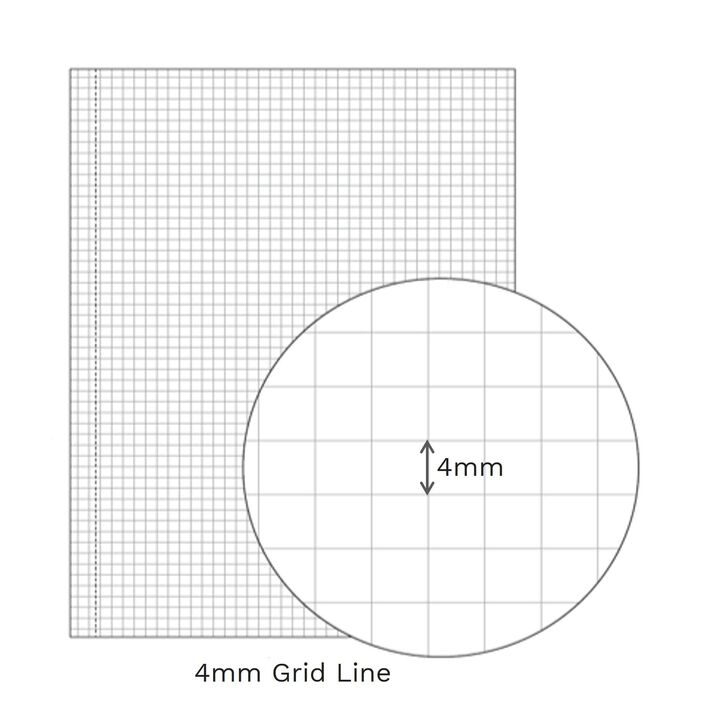
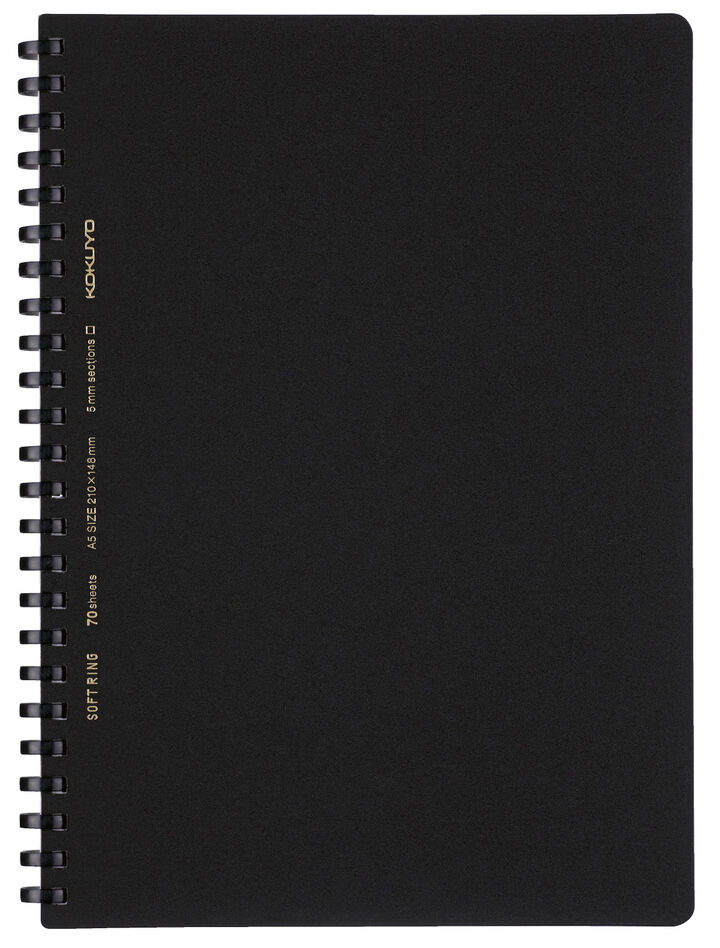
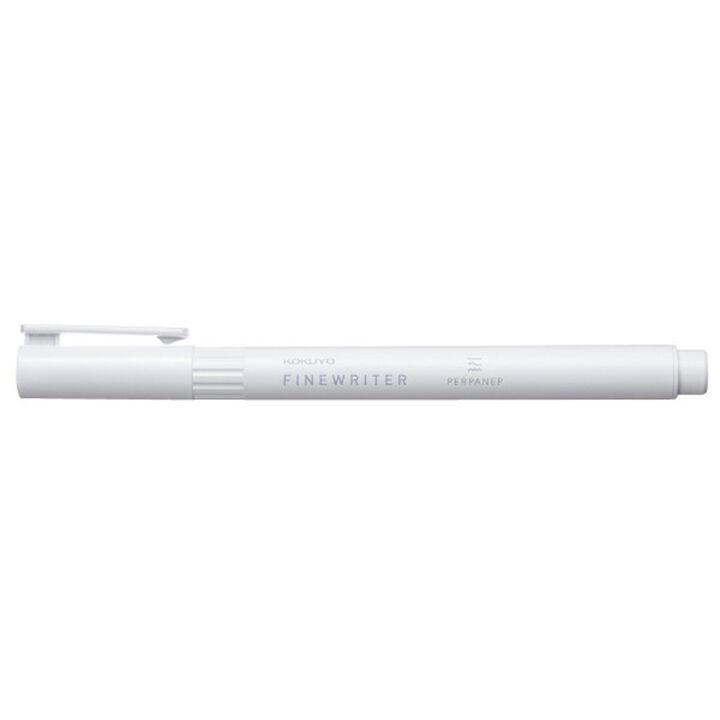
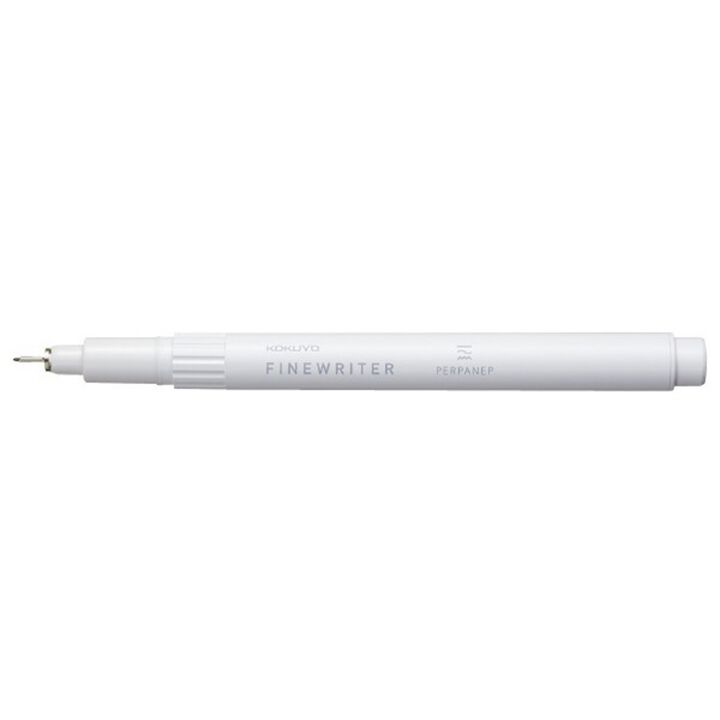
You don’t need anything fancy, but since you'll be using your bullet journal every day, it’s important to pick a notebook and pen that feel good to write with. The right tools will make the process more enjoyable and keep you motivated to stick with it.
2. Keep It Simple at First
Scrolling through Instagram or X, you might see stunning bullet journals full of colorful pens, washi tape, and intricate designs. But remember, trying to make your journal look fancy from the start can actually slow you down. The main point of bullet journaling is to quickly jot things down. Start with a simple layout and just focus on managing your plans.
3. Don’t Stress About Perfection
Your bullet journal is for you, not for showing off. Don’t stress about making every page look flawless. If a page layout doesn’t work for you, just try a different one. Bullet journaling is all about finding what works for your lifestyle, so don’t be afraid to experiment! Keep writing without worrying about being perfect. You'll probably go through a few variations before finding one that suits you best.
4. Set a Time to Write
To make your bullet journal a habit, try to set a specific time each day to fill it out. Whether it’s first thing in the morning or before bed, pick a time that fits your routine and is easy to stick with. Once you make opening your journal a habit, you’ll find it easier to manage your day and stay on top of tasks.
We Gave It a Go—Here’s What Happened!
Now that you’ve got the basics, it’s time to dive in and try it for yourself.
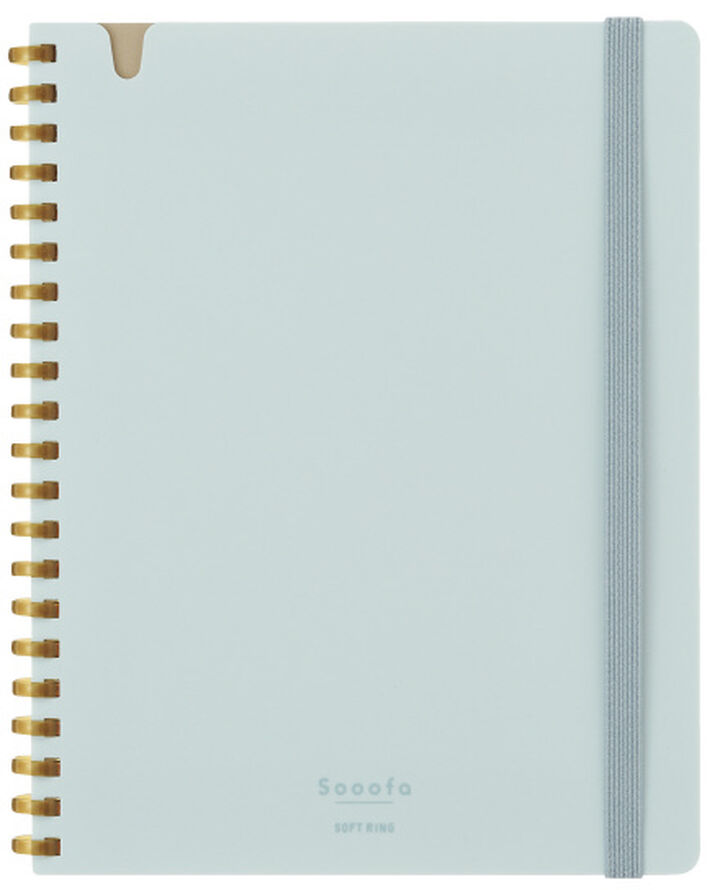
For this experiment, I used the 'Sooofa Softring Notebook'. It has a soft ring binder, so it’s easy to enjoy journaling without it feeling like a chore, and the pastel-colored cover just makes me smile. Plus, it’s got a handy elastic band to keep it closed when you’re on the go.
All you really need is a notebook and a pen to get started.
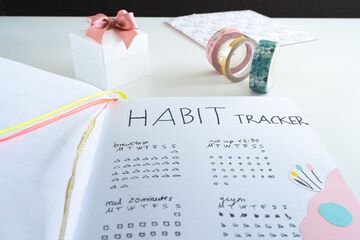
If you want to add a little flair, grab some washi tape or colorful pens. It’s your journal—make it fun!
Here’s what I did:
For the first page, I created my own KEY and made an INDEX right there too.
After filling out the other logs, I’ll add page numbers for easy navigation.

Next up, the Future Log. I started writing down events I already know about for the year ahead. (I added a bit of color with a marker for fun!)

After the Future Log, I moved on to the Monthly Log.
You can get creative with this—some people use a calendar format—but I kept it simple and efficient.
Here, I jotted down some of the more specific plans and tasks that go along with them.

Now, it’s time for the Daily Log.
Each night, I go over my tasks for the day—did I finish them? Did I reschedule them? Why didn’t I get to them? I review everything using my KEY, and then I write down tasks for the next day.
It’s amazing how much reflection helps. You’ll stop forgetting things and have a chance to assess how well you’re sticking to your schedule.
In the photo, I’ve got Monday through Sunday in a two-page spread, but feel free to break it up however works for you. Just write whatever comes to mind—your journal will be more valuable the more you fill it up!

Bullet Journaling Can Totally Transform Your Lifestyle
Bullet journaling offers tons of flexibility, and while it might seem tricky to start the habit at first, once you get into the rhythm, it can totally enhance your life.
Start with a pen and notebook, and give bullet journaling a try!
Below are some of the notebooks, pens, and markers I used in my bullet journal. Finding your perfect pen-and-notebook combo can be half the fun. Be sure to check them out!
Recommended Journal Notebooks

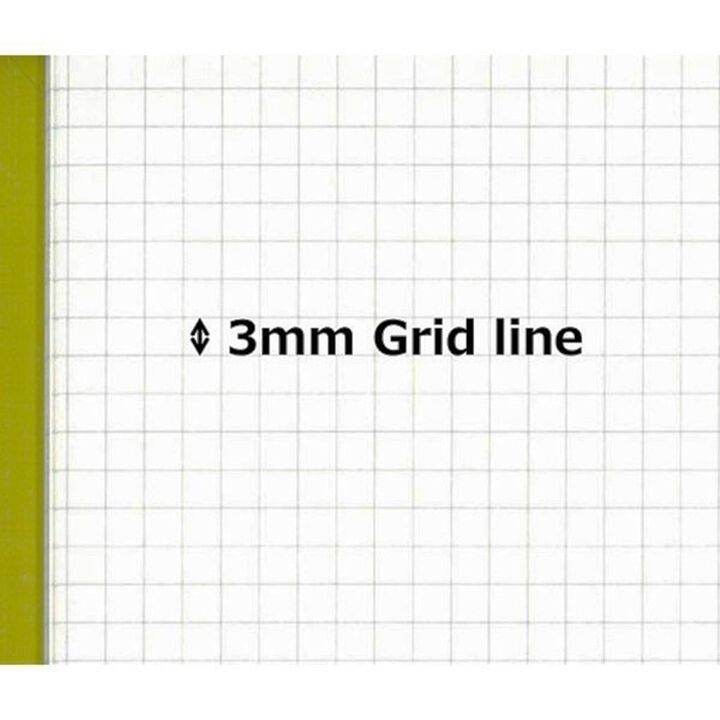 New
New
 New
New
 New
New
Recommended Pens
![[5% OFF w/JIBUN TECHO] WP Finewriter Black,Black, medium](https://www.kokuyostore.com/dw/image/v2/BFGX_PRD/on/demandware.static/-/Sites-storefront-catalog-kokuyo_jp/default/dwc99fcb41/images/WP-F100D_01.JPG?sw=720 "[5% OFF w/JIBUN TECHO] WP Finewriter Black, Black")
![[5% OFF w/JIBUN TECHO] WP Finewriter Black,Black, medium](https://www.kokuyostore.com/dw/image/v2/BFGX_PRD/on/demandware.static/-/Sites-storefront-catalog-kokuyo_jp/default/dw07ee6462/images/goods_discount_2.jpg?sw=720 "[5% OFF w/JIBUN TECHO] WP Finewriter Black, Black") New
New
![[5% OFF w/JIBUN TECHO] WP Finewriter Silver,Silver gray, medium](https://www.kokuyostore.com/dw/image/v2/BFGX_PRD/on/demandware.static/-/Sites-storefront-catalog-kokuyo_jp/default/dw8b2831d2/images/WP-F100C_01.JPG?sw=720 "[5% OFF w/JIBUN TECHO] WP Finewriter Silver, Silver gray") New
New
 New
New
Look for Planner?